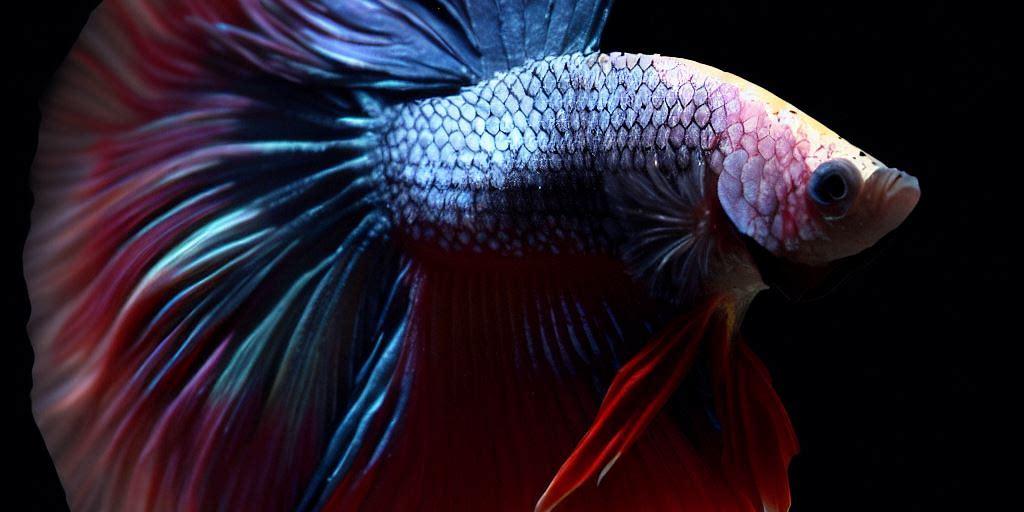
Betta fish, scientifically known as Betta splendens, are small tropical freshwater fish native to Southeast Asia.They are popular in the aquarium hobby due to their vibrant colors, long fins, and unique personalities. Betta fish are small, colorful, and tropical freshwater fish known for their distinctive finnage and territorial behavior.
They require specific water parameters, like a stable temperature, and can be kept alone or with caution when housed with other fish.
Betta fish, with their mesmerizing colors and captivating personalities, have earned a special place in the hearts of aquarium enthusiasts worldwide. These elegant creatures, known scientifically as Betta splendens, are more than just pretty ornaments; they are dynamic, intelligent, and low-maintenance pets that can thrive with the right care and attention. In this comprehensive guide, we'll dive into the world of Betta fish, exploring their care requirements, behavior, and some fascinating facts that make them stand out.
Quick Specs
Water parameters
| Temperature: | 78-80°F (25-27°C) |
| pH: | 6.5-7.5 |
| Hardness: | Soft to moderately hard |
| Other: | Ammonia, Nitrites, and Nitrates should be kept at minimal levels through regular water changes and maintenance |
| Water changes: | About 25-30% of the water should be changed every 1-2 weeks to maintain water quality. |
Behavior & compatibility
Schooling Behavior: Betta fish are not schooling fish; they are known for their solitary nature and can become aggressive towards other bettas, especially males.Temperament: Bettas (especially males) are highly territorial and can bite/nip fins-this is a core compatibility concern.
Centrepiece: A single betta is a classic centrepiece fish due to bold finnage, color, and interactive behavior.
Prolific or Livebearing:Egg layer (bubble-nest builder), not a livebearer; not “prolific” in typical community conditions.
Swimming zone:Mostly middle/upper, frequently near the surface (labyrinth fish).
Interaction with Plants:Bettas often enjoy swimming among live or silk plants. Live plants can also improve water quality.
Setup essentials
Lid: A tank cover is not necessary, but it can be useful to prevent the betta from jumping out of the aquarium.Filter: A filter is preferred and highly recommended as it helps maintain water quality and reduces the need for frequent water changes.
Substrate: Fine gravel or sand is preferred as substrate since bettas like to sift through it. Smooth substrates are essential to prevent damage to their delicate fins.
Lighting: While they don't require special lighting, moderate aquarium lighting can enhance the colors of betta fish and promote the growth of live plants.
Heater: A heater is preferred and often necessary to maintain a stable water temperature within the recommended range.
Air Pump: An air pump is not necessary for betta fish but can be used to provide surface agitation for better oxygen exchange.
Feeding Regimen
Feed betta fish small, high-quality pellets or flakes 2-3 times a day. Occasional treats like frozen or live foods can be offered for variety.Lifespan
With proper care, bettas can live for 2-5 years or even longer in some cases.Tank Mates
Good tank mates
Peaceful bottom dwellers (e.g., some Corydoras in larger tanks), nerite snails, and calm small fish in larger tanks (e.g., ember tetras) if the betta’s temperament allows.
Avoid
Other male bettas, fin nippers, aggressive fish, flashy long-finned fish, fast boisterous danios, and overly active tank mates that stress them.
Note
Bettas vary a lot. Keep flow gentle, provide cover, and have a backup plan if aggression appears.
Common problems + quick fixes
Improve water quality, reduce sharp decor, treat if worsening.
Feed less, offer daphnia, fast 24h if needed.
Use a heater and keep temperature stable.
Remove tankmates or provide dense cover; many bettas do best alone.
Interesting Facts
- Betta fish are known for their labyrinth organ, which allows them to breathe air at the water's surface.
- They have been selectively bred for centuries, resulting in a wide range of colors and fin shapes.
- Bettas are often called "Siamese fighting fish" because of their aggressive nature, especially among males.
- They can recognize their owners and may even interact with them.