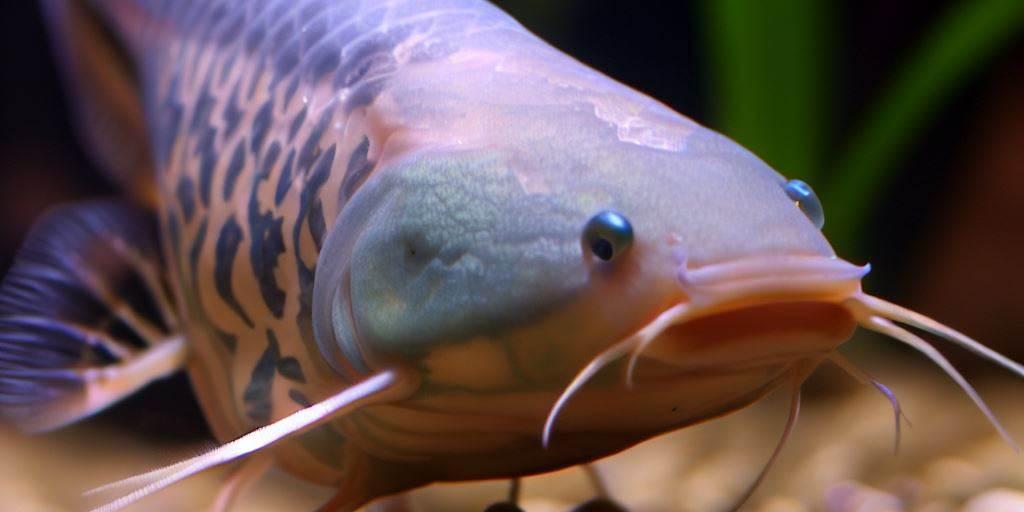
Corydoras Catfish, specifically Corydoras paleatus, are small, peaceful, and popular freshwater fish native to South America, particularly Argentina, Uruguay, and Brazil. They belong to the family Callichthyidae and are commonly referred to as "Cory Cats" or "Corydoras."
Corydoras paleatus are known for their distinctive appearance, with a mottled pattern of spots and stripes on their body.
These catfish are bottom-dwellers, often seen scavenging the aquarium substrate for food. They are social fish and are best kept in groups, which can be referred to as a "corydora shoal" or "corydora school."
Corydoras are not typically aggressive and can coexist peacefully with a variety of other community fish. They have a unique adaptation called a "brood pouch" on their lower fins, where males carry and protect fertilized eggs.
Corydoras Catfish are considered hardy and are a popular choice for beginner aquarists.
Quick Specs
Water parameters
| Temperature: | 72-78°F (22-26°C) |
| pH: | 6.0-7.5 |
| Hardness: | 2-12 dGH |
| Other: | Ammonia, Nitrites, and Nitrates should be kept at minimal levels through regular water changes and maintenance. |
| Water changes: | Regular water changes of 20-25% every 1-2 weeks help maintain water quality and promote the health of Corydoras. |
Behavior & compatibility
Schooling Behavior: Corydoras catfish are strongly social and should be kept in groups; they forage together and are much less shy in a proper group. Corydoras Catfish (Corydoras paleatus) should be kept in groups (minimum 6; ideally 10–12 for best display).Temperament: Very peaceful and not fin-nippers.
Centrepiece: Usually not a centrepiece; they’re a supportive “utility + personality” bottom group fish.
Prolific or Livebearing:Egg layers (not livebearers) and not typically “prolific” in a standard community tank.
Swimming zone:True bottom-dwellers (they will occasionally dart into mid-water but live on the substrate).
Interaction with Plants:Corydoras Catfish generally do not disturb plants in the aquarium. Live plants can provide them with natural hiding spots.
Setup essentials
Lid: A tank cover is not strictly necessary, but it can prevent fish from jumping out and provide added security.Filter: A filter is preferred and highly recommended to maintain water quality by removing waste and toxins.
Substrate: Corydoras prefer a soft substrate like fine sand or smooth gravel, as they often sift through it in search of food. Sharp or abrasive substrates can damage their barbels.
Lighting: While not necessary, aquarium lighting can enhance the appearance of the tank and allow for better viewing of Corydoras and other tank inhabitants.
Heater: A heater may be required to maintain a stable water temperature within the recommended range, especially in cooler environments.
Air Pump: An air pump is not usually necessary, but it can improve oxygen exchange and water circulation in the tank, benefiting Corydoras and other fish.
Feeding Regimen
Corydoras are omnivorous and should be fed a varied diet consisting of high-quality sinking pellets or flakes, as well as live or frozen foods like bloodworms or brine shrimp. Feed them 2-3 times a day, only what they can consume in a few minutes.Lifespan
Corydoras Catfish can have a lifespan of 5-10 years or more with proper care.Tank Mates
Good tank mates
Peaceful community fish (tetras, rasboras, livebearers), peaceful gouramis, bristlenose pleco, snails.
Avoid
Aggressive bottom dwellers, large predatory fish, and tank mates that harass or outcompete bottom feeders.
Note
Bottom fish—fine sand is best for their barbels; make sure sinking food reaches them.
Common problems + quick fixes
Use soft sand and keep the substrate clean.
Keep a proper group and add cover.
Target feed sinking foods and ensure they reach the bottom.
Interesting Facts
- Corydoras have a unique adaptation known as "dorsal fin locking." When they feel threatened, they can lock their dorsal and pectoral fins to make themselves harder to swallow for potential predators.
- These catfish are known for their "armored" appearance due to the bony plates covering their bodies, providing some protection from predators.
- Corydoras Catfish are famous for their amusing "winking" behavior, where they close and open one eye at a time, possibly to clear debris or communicate with other fish.