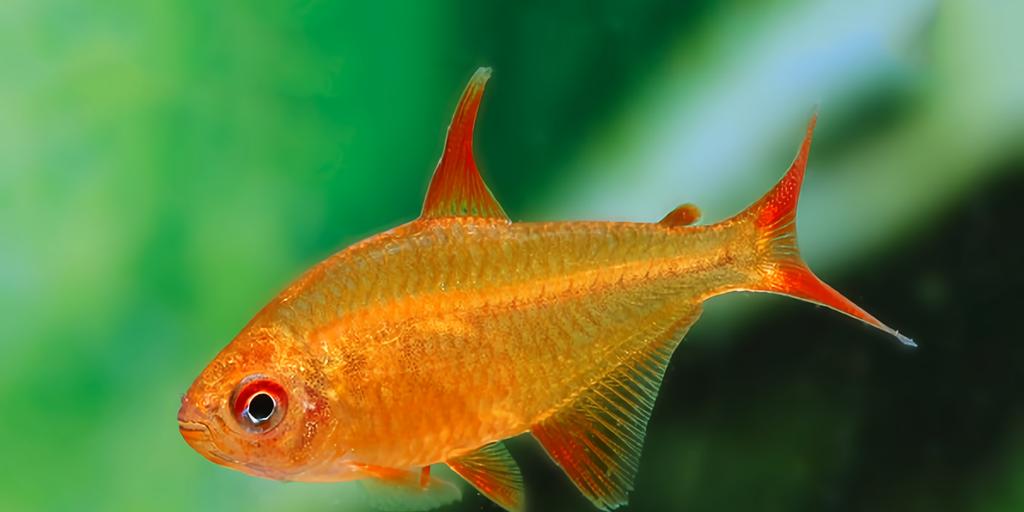
Tetras (Hyphessobrycon sp.) are a diverse group of small to medium-sized freshwater fish native to South America, particularly the Amazon Basin. They are known for their vibrant colors and active swimming behavior, making them a popular choice among aquarium enthusiasts.
Tetras belong to the family Characidae and include numerous species with various color patterns and fin shapes. These fish are generally peaceful and can coexist with a wide range of other community fish.
Tetras are shoaling fish, and they feel most secure and exhibit their natural behavior when kept in groups of their own kind. Their hardiness and adaptability make them suitable for both beginners and experienced aquarists.
Tetras come in different species, each with unique characteristics and care requirements, making them a diverse and fascinating group in the aquarium hobby. They have a wide distribution in their natural habitat, which includes various water conditions, allowing them to adapt to different tank setups.
Quick Specs
Water parameters
| Temperature: | 72-82°F (22-28°C), depending on the species |
| pH: | 6.0-7.5, depending on the species |
| Hardness: | 2-12 dGH, depending on the species |
| Other: | Ammonia, Nitrites, and Nitrates should be kept at minimal levels through regular water changes and maintenance. |
| Water changes: | Regular water changes of 20-25% every 1-2 weeks help maintain water quality and promote the health of Tetras. |
Behavior & compatibility
Schooling Behavior: Most tetras are schooling fish and should be kept in groups; larger groups reduce stress and promote natural shoaling. Tetras (Hyphessobrycon sp.) should be kept in groups (minimum 6; ideally 10–12 for best display).Temperament: Many are peaceful, but several popular Hyphessobrycon types have a reputation for fin-nipping, especially if under-schooled or paired with long-finned tank mates.
Centrepiece: Most Hyphessobrycon tetras are “schooling accent fish” rather than a single standout centerpiece (unless you use a large, colorful school as the focal point).
Prolific or Livebearing:Tetras are not prolific breeders compared to some other species. They do lay eggs, but breeding them can be challenging, and they may require a separate breeding tank. Tetras are not livebearers; they are egg layers. They typically scatter their adhesive eggs among plants or decorations in the aquarium.
Swimming zone:Tetras primarily occupy the mid to upper water levels of the aquarium and are not considered bottom-dwelling fish. They are known for their active swimming behavior in the middle of the tank.
Interaction with Plants:Tetras generally interact well with live plants in the aquarium. Plants provide shelter, security, and a natural environment for these fish.
Setup essentials
Lid: A tank cover is not strictly necessary, but it can prevent fish from jumping out and provide added security.Filter: A filter is preferred and highly recommended to maintain water quality by removing waste and toxins.
Substrate: Tetras are flexible when it comes to substrate, but a dark-colored substrate can enhance their colors and make them feel more secure.
Lighting: While not necessary, aquarium lighting can enhance the colors of Tetras and promote plant growth if live plants are present in the tank.
Heater: A heater may be required to maintain a stable water temperature within the recommended range, especially in cooler environments.
Air Pump: An air pump is not usually necessary but can help improve oxygen exchange and water circulation, particularly in tanks with limited surface agitation.
Feeding Regimen
Tetras are omnivorous and should be fed a varied diet consisting of high-quality flakes or pellets designed for small tropical fish. Supplement their diet with occasional live or frozen foods like brine shrimp or daphnia. Feed them 2-3 times a day, only what they can consume in a few minutes.Lifespan
The lifespan of Tetras can vary by species, but they typically have an average lifespan of 3-5 years, although with proper care, some species can live longer.Tank Mates
Good tank mates
Peaceful community fish (rasboras, Corydoras, otocinclus) and other tetra species with similar adult size and temperament.
Avoid
Large predators, aggressive fish, and mixing very tiny tetras with much larger tank mates. Some tetra species can be nippy—avoid long-finned fish if yours is.
Note
Hyphessobrycon species vary—match tank mates to the specific tetra’s size and temperament (some are fin-nippers).
Common problems + quick fixes
Keep a proper school and avoid long-finned tankmates.
Add plants and keep water stable.
Treat early and improve stability (avoid sudden changes).
Interesting Facts
- The name "Tetra" comes from the Greek word "tetragonopterus," which means "square-finned," referring to their distinct, square-shaped caudal fin.
- Tetras are known for their "nipping" behavior, where they may occasionally nip at the fins of other fish. This behavior can be reduced by keeping them in larger groups and providing plenty of hiding spaces.
- Cardinal Tetras (Paracheirodon axelrodi) and Neon Tetras (Paracheirodon innesi) are two of the most popular and recognizable Tetra species in the aquarium hobby.
- Many Tetra species are wild-caught for the aquarium trade, but there is a growing interest in breeding them in captivity to reduce the impact on their natural habitats.