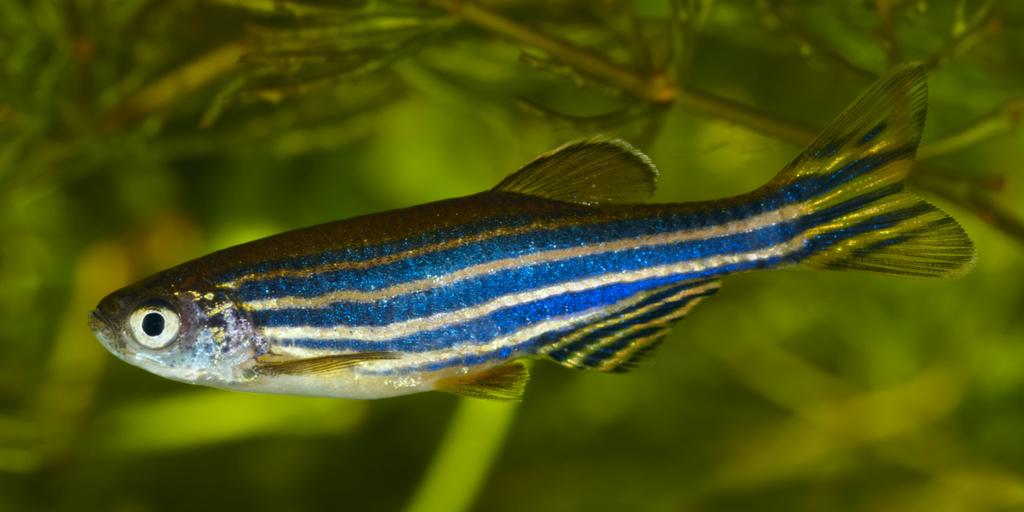
Zebrafish (Danio rerio) are small, freshwater fish native to South Asia, primarily found in the Ganges region of India, Bangladesh, Nepal, and Myanmar. They belong to the family Cyprinidae and are known for their distinctive horizontal stripes that resemble a zebra's pattern.
Zebrafish are frequently used in scientific research due to their rapid reproduction, transparent embryos, and genetic similarities to humans, making them valuable for studying various aspects of biology, including genetics and developmental biology.In the aquarium hobby, they are popular for their striking appearance, hardiness, and ease of care. These fish are typically non-aggressive and are suitable for community aquariums with other peaceful fish.
Zebrafish are known for their shoaling behavior and are most comfortable when kept in groups.
Quick Specs
Water parameters
| Temperature: | 64-75°F (18-24°C). |
| pH: | 6.5-7.5 |
| Hardness: | 5-15 dGH |
| Other: | Ammonia, Nitrites, and Nitrates should be kept at minimal levels through regular water changes and maintenance. |
| Water changes: | Regular water changes of 20-25% every 1-2 weeks help maintain water quality and promote the health of Zebrafish. |
Behavior & compatibility
Schooling Behavior: Zebrafish are active schooling fish; keeping a proper group reduces stress and chasing and encourages natural, coordinated swimming. Zebrafish (Danio rerio) should be kept in groups (minimum 6; ideally 8–10 for best display).Temperament: Very active and can fin-nip, especially if kept in too small a group or with slow/long-finned tank mates; a bigger school reduces problem behavior.
Centrepiece: Not typically a centerpiece—more of a high-energy schooling fish that adds constant motion near the top/middle of the tank.
Prolific or Livebearing:Zebrafish are prolific breeders and can produce a large number of eggs during spawning. They are often used in scientific research for their reproductive capabilities.
Swimming zone:Zebrafish primarily occupy the mid to upper water levels of the aquarium. They are not considered bottom-dwelling fish and are known for their active swimming behavior.
Interaction with Plants:Zebrafish generally interact well with live or artificial plants in the aquarium. Plants provide shelter and security, and Zebrafish may also lay their eggs on plant leaves.
Setup essentials
Lid: A tank cover is not strictly necessary, but it can prevent fish from jumping out and provide added security.Filter: A filter is preferred and highly recommended to maintain water quality by removing waste and toxins.
Substrate: Zebrafish are not picky about substrate, but a fine gravel or sand substrate is often preferred. Substrate with a dark coloration can enhance their colors.
Lighting: While not necessary, aquarium lighting can enhance the colors of Zebrafish and promote plant growth if live plants are present in the tank.
Heater: A heater is not always required, but it may be necessary to maintain a stable water temperature within the recommended range, especially in cooler environments.
Air Pump: An air pump is not necessary, but it can help improve oxygen exchange and water circulation, benefiting Zebrafish and other fish.
Feeding Regimen
Zebrafish are omnivorous and should be fed a varied diet consisting of high-quality flakes or pellets designed for small tropical fish. Supplement their diet with occasional live or frozen foods like brine shrimp or daphnia. Feed them 2-3 times a day, only what they can consume in a few minutes.Lifespan
Zebrafish have an average lifespan of 2-4 years, although with proper care, they can sometimes live longer.Tank Mates
Good tank mates
Fast, robust community fish in larger tanks; cool-water setups with compatible species; snails and hardy bottom dwellers in suitable temps.
Avoid
Slow long-finned fish (bettas, fancy guppies), very timid nano fish, and fish that get stressed by constant activity.
Note
Very active; can nip fins if under-grouped—keep a proper school and provide strong filtration and swimming room.
Common problems + quick fixes
Keep a proper group and provide swimming space.
Use open “swim lanes” and avoid overcrowding.
Use a lid and keep parameters stable.
Interesting Facts
- Zebrafish are often used in scientific research to study gene function, embryonic development, and diseases, including cancer and cardiovascular diseases.
- They are transparent during their early life stages, making them ideal for studying developmental processes.
- Zebrafish are known for their ability to regenerate damaged tissues, including fins and the heart, which has sparked interest in regenerative medicine research.
- In the wild, Zebrafish inhabit slow-moving or stagnant waters, often found in rice paddies, ditches, and small streams.