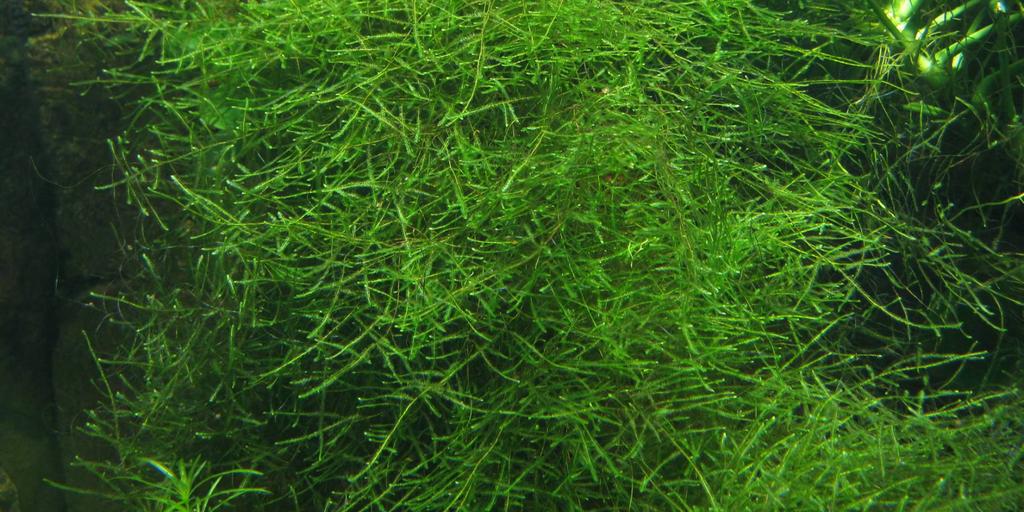
Java Moss (Taxiphyllum barbieri) is a popular and versatile aquatic plant in the aquarium hobby. It is known for its fine, branching, and feathery appearance, making it an excellent choice for aquascaping and providing cover for small fish and fry.
Java Moss is native to Southeast Asia and can be found in various aquatic environments, from slow-moving streams to ponds.
It's an adaptable and hardy plant that can thrive in a wide range of aquarium conditions. This plant is often used to create lush green carpets on the substrate, cover driftwood, or even attach to rocks and decorations.
Recommended Water Parameters
It can thrive in a wide range of water temperatures, typically between 18°C to 30°C (64°F to 86°F).pH level: Java Moss is adaptable to various pH levels, with a preferred range of 6.0 to 8.0.
Water hardness (dGH): It can tolerate a wide range of hardness levels, typically between 5 to 20 dGH.
Monitoring and maintaining stable water parameters are important for its health.
Water Type
Java Moss is a freshwater plant, not suitable for saltwater aquariums.Water Changes
Regular water changes are important to maintain water quality and nutrient balance. A typical water change might involve replacing 10-20% of the aquarium water every 1-2 weeks.Aquarium Lighting
Java Moss can thrive in low to moderate lighting conditions. While it can tolerate low light, it may grow more slowly. Moderate lighting is preferred for optimal growth.Duration of daylight
8-10 hours a day is recommended.Air Pump
An air pump is not necessary for Java Moss.Filter
Filtration is preferred but not mandatory.Heater
A heater may be required to maintain the recommended temperature range.Is an additional source of CO2 needed
An additional source of CO2 is not necessary for most Java Moss setups.Roots
Java Moss is a moss and does not have true roots, stems, or leaves. It attaches to surfaces, substrate, and decorations using thread-like structures called rhizoids.Stems
It does not have true stems; it grows as branching moss strands with tiny leaves on thin, stem-like shoots (not a vascular stem plant).Leaves
It has very small, simple leaf-like structures arranged densely along branching shoots, giving it a soft, feathery look.Reproduction
Java Moss reproduces through fragmentation and can be propagated by attaching small sections to surfaces.Growth rates
Growth rates are relatively slow, but under optimal conditions, it can form dense mats.Lifespan
With proper care, Java Moss can thrive for several years in an aquarium.Source of food
va Moss can provide shelter and a microhabitat for small organisms, making it indirectly beneficial for fish as a source of food.Interesting Facts
- Java Moss is often used to create "Moss Walls" or "Moss Trees" in aquascaping, providing a natural and aesthetic look to aquariums.
- It is commonly used in breeding tanks to provide a safe haven for baby fish (fry) and shrimp.
- Java Moss is a popular choice among aquarists due to its ease of care and versatile applications in aquascaping.