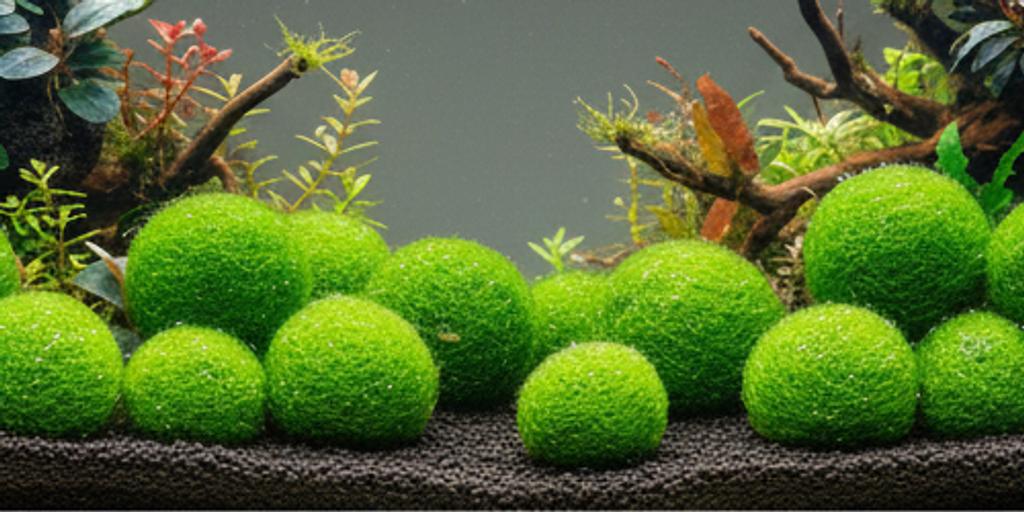
Marimo “moss” balls are not true moss—they’re a form of green algae (Aegagropila linnaei) that can naturally form velvety balls in cool lakes with gentle wave action. In aquariums, they’re valued as an ultra-low-maintenance “plant-like” decoration that also provides grazing surface for shrimp and microfauna. Marimo prefer cooler water and low to medium light, and direct sun or strong light often causes browning and algae issues. They grow very slowly, so patience is key and they won’t “fill in” a tank like fast plants. To keep the ball shape and prevent dead spots, it helps to gently rotate or roll them occasionally. They can float sometimes due to trapped oxygen bubbles; a gentle squeeze under water usually helps them sink again. They don’t need substrate, fertilizers, or CO₂ injection to do well. Clean water and stable conditions keep them greener and reduce debris buildup. With decent care, they can live for many years.
Recommended Water Parameters
65–77°F (18–25°C) is ideal; they generally prefer cooler water and should not be kept hot long-term.pH: 6.0–8.0 (often best around 6.5–7.5).
Water Hardness: ~5–15 dGH (soft to moderately hard; many setups work if conditions are stable).
Ammonia and nitrite should be 0, and nitrates should be kept low with regular maintenance. Avoid strong, direct sunlight and very high temperatures, which commonly lead to browning and poor condition.
Water Type
Marimo (Aegagropila linnaei) is a freshwater algae and is not suitable for saltwater aquariums.Water Changes
Change water regularly—about 25–30% every 1–2 weeks is a solid baseline; rinse the ball gently if it traps debris.Aquarium Lighting
Marimo prefers low to medium light; avoid direct sunlight and very strong lighting to prevent browning/algae.Duration of daylight
6–8 hours/day is usually enough; reduce if you see algae/browning.Air Pump
An air pump is not required for marimo, but gentle surface movement can help overall tank oxygen exchange.Filter
A filter is preferred to keep the water clean and reduce debris settling on the marimo surface.Heater
A heater is usually not needed because marimo prefer cooler water; use one only if your room/tank drops too cold and you need to keep temperatures stable within the recommended range.Is an additional source of CO2 needed
Extra CO₂ is not necessary for marimo.Roots
It does not have true roots; it’s algae filaments compacted into a ball.Stems
It does not have true stems (it’s algae, not a vascular plant).Leaves
It does not have true leaves; the surface is made of fine green algae filaments.Reproduction
Reproduces by division/fragmentation—you can split a healthy ball and reshape the pieces; they’ll slowly grow and hold shape over time.Growth rates
Very slow growth (commonly reported around a few millimeters per year).Lifespan
Can live many years in aquariums with stable, cool, clean water; wild marimo can persist for decades or longer.Source of food
Not a main food source, but it’s an excellent grazing surface for shrimp and tiny cleanup crews (biofilm/microorganisms on the surface).Interesting Facts
- The round “ball” form is maintained by gentle rolling motion in nature—occasional turning helps keep it evenly green.
- If it turns brown, it’s often from too much light/heat or poor water quality; correcting conditions can help recovery.
- It may float temporarily due to oxygen bubbles trapped inside; a gentle squeeze under water usually fixes it.