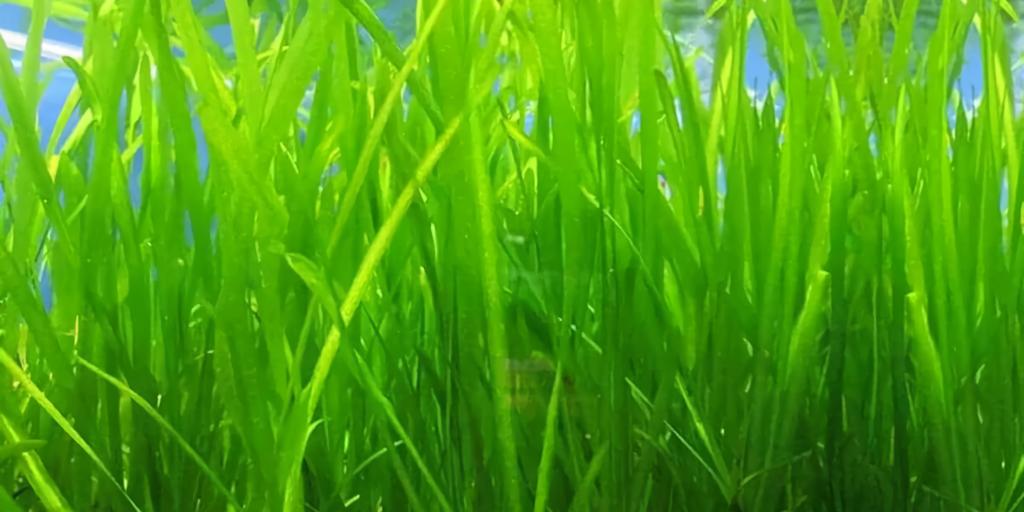
Vallisneria, often referred to as "Val" by aquarists, is a genus of aquatic plants commonly used in freshwater aquariums. It is known for its long, ribbon-like leaves that grow in dense clusters and can reach impressive lengths, making it an excellent choice for background or mid-ground planting.
Vallisneria is native to various regions worldwide and is adaptable to a range of aquarium conditions. This plant is appreciated for its ability to oxygenate the water and provide shelter for fish and aquatic organisms. There are several Vallisneria species available in the aquarium trade, each with its unique leaf shape and size.
Recommended Water Parameters
Optimal water temperature: 22°C to 28°C (72°F to 82°F).pH level: Vallisneria prefers a slightly alkaline to neutral pH, typically between 6.5 and 8.0.
Water hardness (dGH): Soft to moderately hard water, with a range of 2 to 20 dGH.
Other water parameters should be maintained at suitable levels through regular water testing and maintenance.
Water Type
Vallisneria is a freshwater plant, not suitable for saltwater aquariums.Water Changes
Regular water changes are essential to maintain water quality in the aquarium. A typical water change might involve changing 10-20% of the water every 1-2 weeks.Aquarium Lighting
Vallisneria can thrive in a wide range of lighting conditions. While it can tolerate lower light levels, moderate to high lighting is preferred for robust growth.Duration of daylight
Lighting duration: 8-10 hours a day is recommended for healthy growth.Air Pump
An air pump is not necessary for Vallisneria.Filter
Filtration is preferred but not mandatory.Heater
A heater may be required to maintain the recommended temperature range.Is an additional source of CO2 needed
An additional source of CO2 is not necessary for most Vallisneria species.Roots
It does have roots.Stems
It does have stems.Leaves
Vallisneria typically has long, slender leaves that grow from a central rosette.Reproduction
Vallisneria reproduces through runners, producing daughter plants.Growth rates
Growth rates can vary depending on the species and aquarium conditions but are generally moderate to fast.Lifespan
With proper care, Vallisneria can thrive and persist for several years in an aquarium.Source of food
Vallisneria can provide shelter and hiding places for fish, but it is not a primary food source for them.Interesting Facts
- Vallisneria plants are dioecious, meaning individual plants are either male or female. Female plants produce longer, broader leaves, while male plants have narrower leaves and produce flowers.
- Vallisneria is commonly referred to as "eelgrass" due to its long, ribbon-like leaves that resemble eelgrass found in natural aquatic environments.
- This plant is popular among aquarists for its aesthetic appeal and its ability to help maintain water quality in the aquarium.