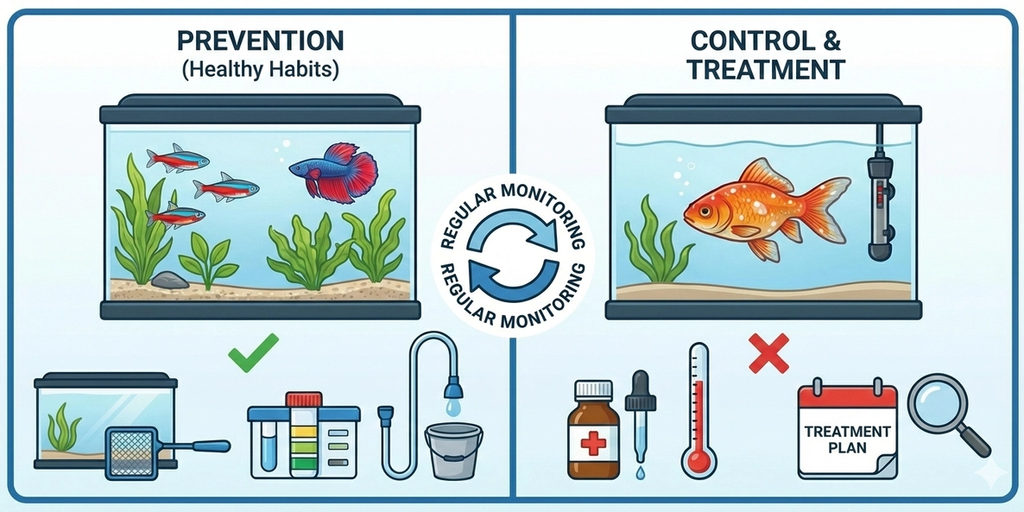
Maintaining a thriving aquarium is a source of joy for many enthusiasts, but it comes with the responsibility of keeping your fish healthy. One of the biggest challenges in aquarium keeping is dealing with common diseases that can affect your aquatic inhabitants. In this comprehensive guide, we will explore how to control and prevent common aquarium diseases, ensuring a safe and vibrant environment for your fish.
1. Quarantine New Additions:
- Quarantine Tank: Before introducing any new fish to your main aquarium, place them in a separate quarantine tank for a few weeks. This allows you to observe them for signs of disease without risking the health of your established fish.
2. Maintain Good Water Quality:
- Regular Water Changes: Perform regular partial water changes to remove accumulated waste, uneaten food, and harmful chemicals. Clean water is vital for disease prevention.
- Filtration: Ensure your aquarium has an efficient filtration system to remove debris and maintain water quality.
- Water Parameters: Keep water parameters stable within the ideal ranges for your fish species, including temperature, pH, and hardness.
3. Feed a Balanced Diet:
- Quality Food: Offer a balanced diet suitable for your fish species. Overfeeding can lead to excess waste and water quality issues, so feed your fish in moderation.
- Variety: Provide a variety of foods to ensure your fish receive essential nutrients.
4. Avoid Stress:
- Compatible Tank Mates: Choose tank mates that are compatible with each other to reduce stress and aggression.
- Proper Acclimation: When introducing new fish to your aquarium, acclimate them slowly to minimize stress.
- Aquascape: Create a well-structured environment with hiding spots and appropriate decorations to provide security for your fish.
5. Identify Common Diseases:
- Research: Familiarize yourself with common aquarium diseases, such as ich (white spot disease), fin rot, and velvet. Knowing the symptoms and causes will help you recognize and address issues promptly.
6. Isolate and Treat Sick Fish:
- Quarantine: If you notice a fish displaying signs of illness, move it to a hospital or quarantine tank to prevent the disease from spreading.
- Treatment: Consult with a veterinarian or experienced aquarist to diagnose the disease and determine the appropriate treatment, which may involve medications or adjustments to water conditions.
7. Disinfect Equipment:
- Prevent Cross-Contamination: Be cautious when handling equipment between tanks. Disinfect nets, gravel vacuums, and other tools before using them in different aquariums.
8. Research and Choose Disease-Resistant Species:
- Species Selection: Some fish species are more disease-resistant than others. Research and choose hardy species that are less prone to common diseases, especially if you're a beginner.
9. Maintain Proper Quarantine Procedures:
- Quarantine Period: Ensure that the quarantine period for new arrivals is sufficient (usually 2-4 weeks) to detect any potential diseases before they enter the main tank.
10. Stay Informed and Seek Advice:
- Community Support: Join aquarium forums, clubs, or online communities to connect with experienced aquarists who can offer guidance and advice on disease prevention and treatment.
- Consult Experts: If you encounter a disease outbreak that you're unsure how to handle, seek advice from a veterinarian who specializes in aquatic medicine.
Remember that prevention is often more effective than treatment when it comes to aquarium diseases. By following these guidelines and staying vigilant, you can create a healthier and more resilient aquatic environment for your beloved fish, minimizing the risk of common diseases and enjoying a thriving aquarium.