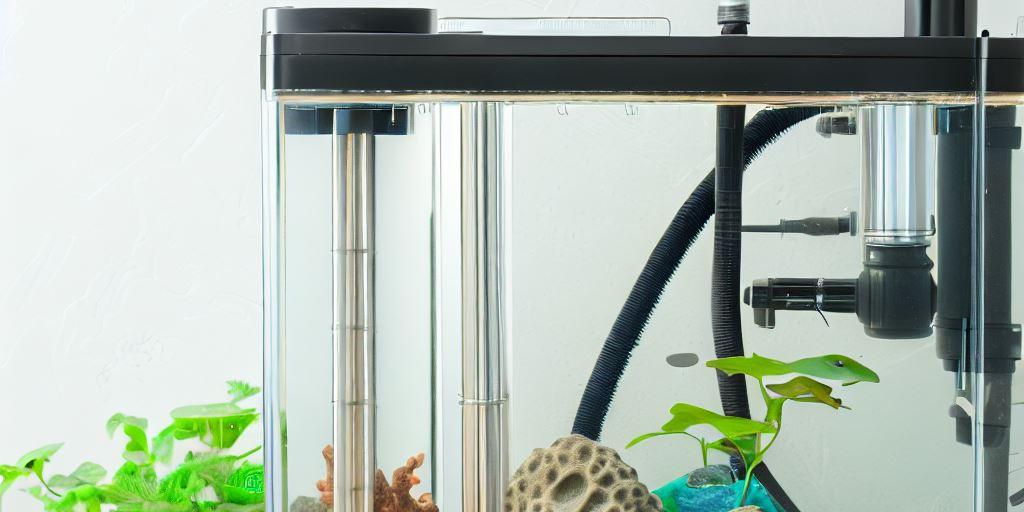
Maintaining a freshwater aquarium that is clean, healthy, and thriving requires a reliable filtration system. Proper filtration plays a crucial role in removing waste, maintaining water quality, and providing a safe environment for your fish and aquatic plants. In this comprehensive guide, we will explore the various types of filtration systems available for freshwater aquariums and help you determine which one may be the best fit for your specific needs.
**1. Undergravel Filters:
- How They Work: Undergravel filters consist of a perforated plate or grid placed at the bottom of the aquarium. Water is drawn through the substrate (gravel) and up through the filter plate by an air pump or powerhead. Beneficial bacteria colonize the gravel bed and help break down waste.
- Pros: Undergravel filters are cost-effective and provide biological filtration. They work well for tanks with low bioloads and can be suitable for fish-only setups.
- Cons: They can be less effective in heavily stocked or planted aquariums. Maintenance can be challenging, as the substrate needs periodic cleaning.
**2. Hang-On-Back (HOB) Filters:
- How They Work: HOB filters are installed on the back of the aquarium. Water is drawn up, passes through filter media (mechanical, chemical, and biological), and then returns to the tank. They typically include a water pump and filter cartridges.
- Pros: HOB filters are easy to install, maintain, and offer good mechanical and chemical filtration. They are suitable for most freshwater setups, including planted tanks.
- Cons: They can be noisy, take up space outside the tank, and may require frequent media replacement.
**3. Canister Filters:
- How They Work: Canister filters are external filtration units connected to the aquarium via hoses. Water is drawn into the canister, passes through various filter media, and then returns to the tank. They provide excellent mechanical, chemical, and biological filtration.
- Pros: Canister filters offer high filtration capacity, reduced clutter inside the tank, and customizable media options. They are suitable for larger aquariums and heavily stocked tanks.
- Cons: They can be expensive, require more maintenance than HOB filters, and may be challenging to set up for beginners.
**4. Sponge Filters:
- How They Work: Sponge filters consist of a sponge attached to a tube and an air pump. Air bubbles create water flow through the sponge, providing both mechanical and biological filtration. They are placed directly in the aquarium.
- Pros: Sponge filters are cost-effective, gentle on fish, and provide excellent biological filtration. They are ideal for breeding tanks, quarantine tanks, and small aquariums.
- Cons: They may not offer sufficient mechanical and chemical filtration for larger or heavily stocked tanks.
**5. Internal Filters:
- How They Work: Internal filters are submersible units placed inside the aquarium. They contain filter media and a water pump to circulate and filter water.
- Pros: Internal filters are compact, easy to install, and suitable for small to medium-sized aquariums. They provide good biological and mechanical filtration.
- Cons: They can take up valuable space in the aquarium, and maintenance may require removing them from the tank.
**6. Fluidized Bed Filters:
- How They Work: Fluidized bed filters use a sand or granular media that is constantly agitated by water flow. This creates a highly oxygenated environment for beneficial bacteria to thrive.
- Pros: Fluidized bed filters provide excellent biological filtration and can handle high bioloads. They are suitable for advanced hobbyists with larger setups.
- Cons: They can be complex to set up and maintain, and the media can be expensive.
**7. Mattress or Matten Filters:
- How They Work: Matten filters consist of a large, thick sponge covering a portion of the aquarium's back or side wall. Water is drawn through the sponge by an external or internal pump, providing mechanical and biological filtration.
- Pros: Matten filters are highly efficient, cost-effective, and offer excellent biological filtration. They are popular in European-style aquarium setups.
- Cons: They can be challenging to retrofit into existing aquariums and may require customization.
Choosing the Right Filter for Your Aquarium:
- Tank Size: Consider the size of your aquarium. Smaller tanks may benefit from HOB, sponge, or internal filters, while larger tanks may require canister filters or fluidized bed filters.
- Bioload: The number and size of fish you plan to keep will impact the filtration needs. Heavily stocked tanks benefit from powerful filters with a higher capacity.
- Aquascape: If you have a heavily planted tank or intricate aquascape, consider filters that won't disrupt the aesthetics, like canister filters or Matten filters.
- Budget: Your budget plays a significant role in your choice. Canister filters are more expensive but offer high performance, while sponge filters are budget-friendly.
- Maintenance: Assess how much time and effort you are willing to invest in filter maintenance. Some filters require more frequent cleaning and media replacement than others.
- Compatibility: Ensure that the filter you choose is compatible with your tank setup, including the type of fish, plants, and decor.
Maintenance Tips:
- Regular Cleaning: All filters require periodic cleaning to maintain optimal performance. Follow the manufacturer's recommendations for maintenance intervals.
- Media Replacement: Replace filter media as needed to prevent clogging and maintain water quality. Use established filter media when possible to preserve beneficial bacteria.
- Monitor Flow: Ensure that the filter is providing adequate water circulation without causing excessive currents that stress your fish.
- Adjustments: Adjust the filter's flow rate and settings as necessary to meet the specific needs of your aquarium.
Ultimately, the best filtration system for your freshwater aquarium depends on your individual requirements and preferences. It's important to strike a balance between filtration capacity, ease of maintenance, and compatibility with your aquarium setup. By carefully considering these factors and conducting thorough research, you can choose the filtration system that will help you maintain a clean and healthy aquatic environment for your fish and plants.