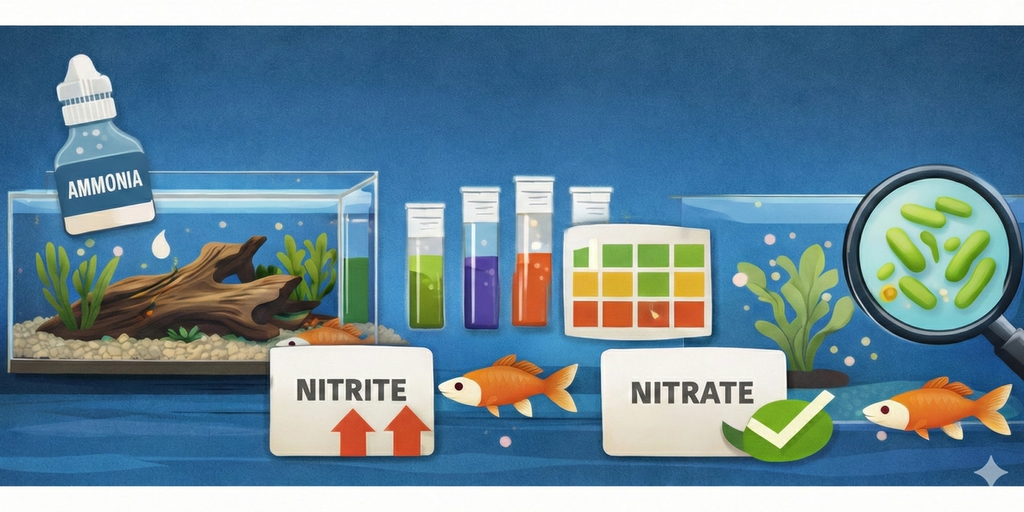
Starting a new aquarium is an exciting endeavor, but it's essential to establish a stable and healthy environment for your aquatic inhabitants before adding any fish. Aquarium cycling is the process of establishing a beneficial bacteria colony in your tank to convert toxic ammonia and nitrite into less harmful nitrate. This guide explores the best way to cycle a new aquarium, ensuring a safe and stable habitat for your fish.
1. Gather Your Equipment:
- Aquarium: Choose an appropriately sized aquarium for the species you plan to keep.
- Filtration System: A good-quality filter is essential for mechanical and biological filtration.
- Substrate: Select a suitable substrate based on your aquarium's design and the needs of your fish.
- Heater: If you're keeping tropical fish, a heater will help maintain a stable temperature.
- Water Conditioner: Use a water conditioner to remove chlorine and chloramine from tap water.
- Ammonia Source: You'll need a source of ammonia to start the cycling process.
2. Prepare Your Aquarium:
- Set Up the Tank: Place your aquarium on a stable surface, add the substrate, decorations, and any hardscape materials.
- Install Equipment: Set up the filter, heater, and any other equipment. Fill the tank with dechlorinated water.
- Add Ammonia: Introduce an ammonia source into the tank to kickstart the nitrogen cycle. You can use pure ammonia (without additives) or add fish food to decompose and produce ammonia over time.
3. Monitor Water Parameters:
- Test for Ammonia: Use an aquarium water test kit to monitor the ammonia levels daily. Initially, the ammonia levels will rise.
- Test for Nitrite: As the bacteria colony develops, you will start to see an increase in nitrite levels.
- Test for Nitrate: Eventually, nitrate levels will begin to rise as well.
4. Beneficial Bacteria Development:
- Wait Patiently: The process of establishing a stable colony of beneficial bacteria can take several weeks. Be patient and avoid adding any fish during this period.
- Regular Water Changes: As ammonia and nitrite levels rise, perform partial water changes to keep them at safe levels for the bacteria.
5. Completing the Cycle:
- Nitrate Presence: Once you consistently detect ammonia and nitrite levels at zero and detect nitrate, your tank is fully cycled.
- Partial Water Change: Perform a final partial water change to reduce nitrate levels, as high nitrate concentrations can be harmful to fish.
6. Adding Fish:
- Start Slowly: After the tank has fully cycled, you can gradually introduce fish to your aquarium. Start with a small number of hardy, low-maintenance species.
- Monitor Parameters: Continue to monitor water parameters to ensure they remain within the acceptable range.
Additional Tips:
- Avoid Overfeeding: During the cycling process, there are no fish to feed. If you're using fish food as your ammonia source, add only small amounts to avoid excessive decomposition.
- Consider Seeding: If possible, you can "seed" your aquarium with beneficial bacteria from an established tank to speed up the cycling process.
- Be Cautious with Chemicals: Avoid using ammonia-removing products or antibiotics during the cycling process, as they can disrupt the growth of beneficial bacteria.
Cycling a new aquarium is a crucial step in establishing a healthy aquatic ecosystem. By following these steps and maintaining close attention to water parameters, you'll create a stable environment where your fish can thrive. Remember that patience is key, and a properly cycled tank sets the stage for a successful and enjoyable aquarium experience.