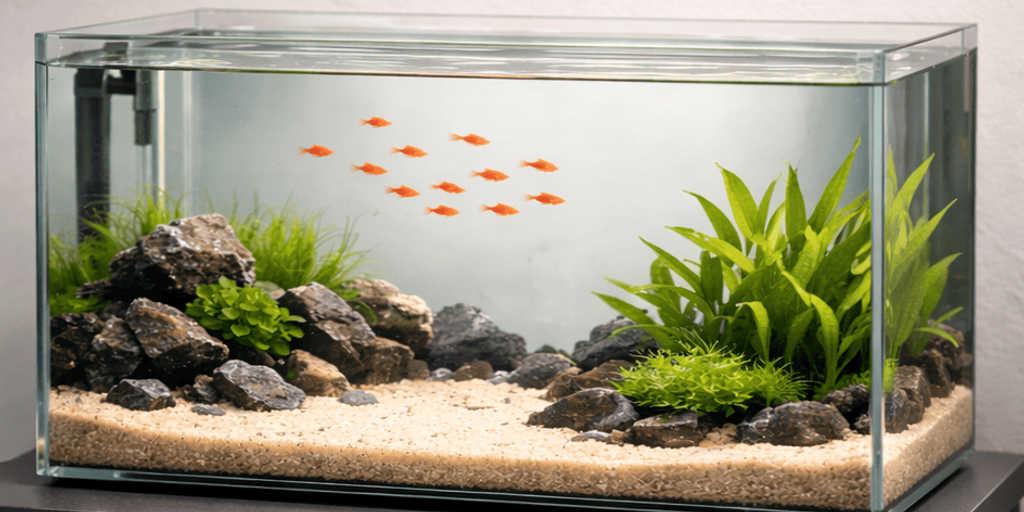
A 20-liter tank is suitable for an artistic nanocube aquarium. It is, however, limited with respect to water in case of mistakes. It is also important to select appropriate aquatic animals. You can look forward to finding appropriate aquatic animals for a beginner that are small in size and do well in a community setting and do not overpopulate a 20L tank.
Before getting any fish, it is important to have your tank cycled, with a consistent water temperature, and not too many fish because too many fish do not always mean better fish.
Why a 20L tank is tricky (and how to make it easy)
A 20-liter tank can look fantastic, but it has a smaller margin for error than a bigger tank. Small tanks are more volatile: temperature fluctuations occur faster, too much food causes ammonia to build up faster, and fish get stressed faster if too many are added to the tank.
The good news is, if you don't overcrowd it, keep the temperature steady, and do basic maintenance every week, a 20L tank can be one of the most enjoyable tanks to keep.
A basic rule to follow for a 20L stocking (works well even for beginners)
Use a “water budget” approach:
- Give each fish a water per fish budget (your fish cards already suggest this concept).
- Calculate the water needed = total fish count * water per fish.
- For a 20L tank, it’s a good rule to use ~70 to ~80 percent of the tank as a ‘fish budget’ to maintain the water.
Beginner-safe target: ~14–16L “fish budget”
Experienced / heavily planted target: up to ~20L (only with strong filtration + routine water changes)
This prevents the #1 nano tank mistake: “just one more fish”.
Here is a handpicked list of fish suitable for a 20-liter tank, along with some suggestions on individual and group collections:
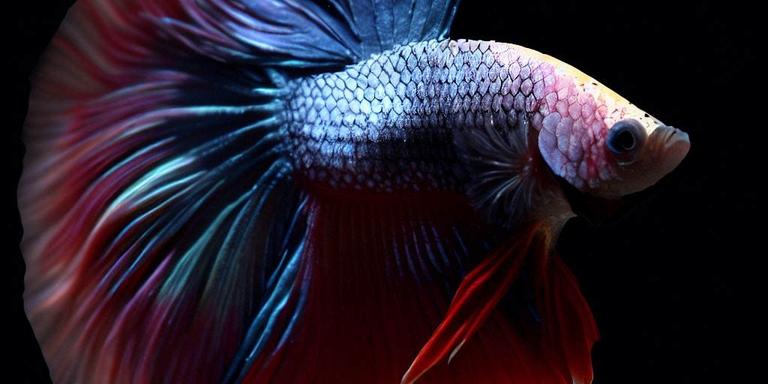
Betta Fish (Siamese Fighting Fish): Betta fish, also known as Siamese fighting fish, are renowned for their striking appearance and unique personalities. They are relatively low-maintenance, but it's important to provide them with a proper tank setup, including a heater and filtration. Betta fish are solitary and should be kept alone or with peaceful tank mates
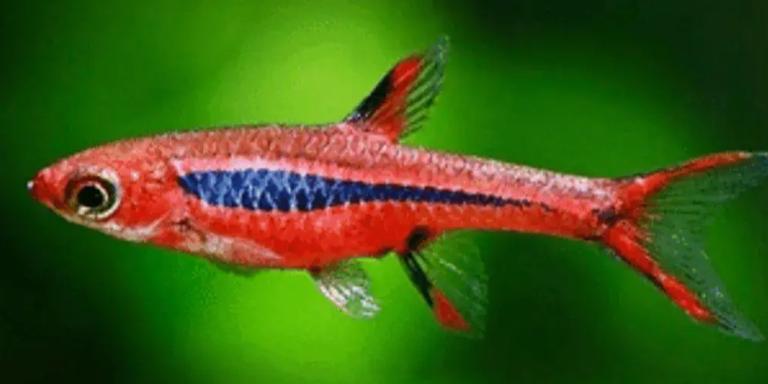
Chili Rasbora (Boraras brigittae): Chili Rasboras are peaceful, schooling nano fish that look best in groups of 10+ in a planted, low-flow aquarium. They prefer warm, stable water and do poorly in new or unstable tanks. Feed tiny foods (micro pellets, baby brine shrimp, daphnia/cyclops) once or twice daily. Avoid large or aggressive tankmates.
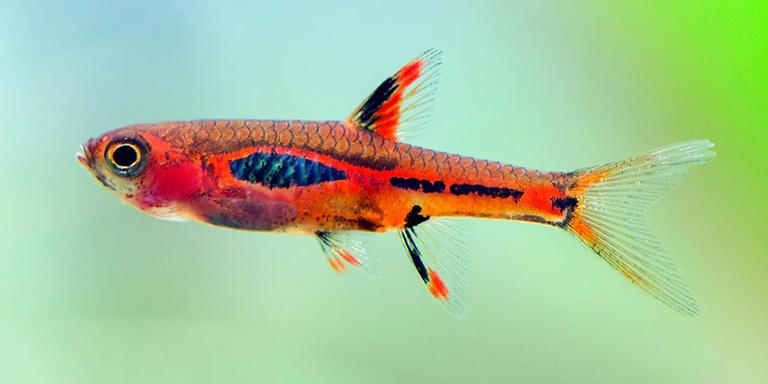
Phoenix rasbora (Boraras merah): Phoenix Rasboras are peaceful schooling nano fish that look best in groups of 10+ in a planted, low-flow aquarium. They prefer warm, stable water and a mature tank. Feed tiny foods once or twice daily. Avoid large, aggressive, or very fast tankmates.
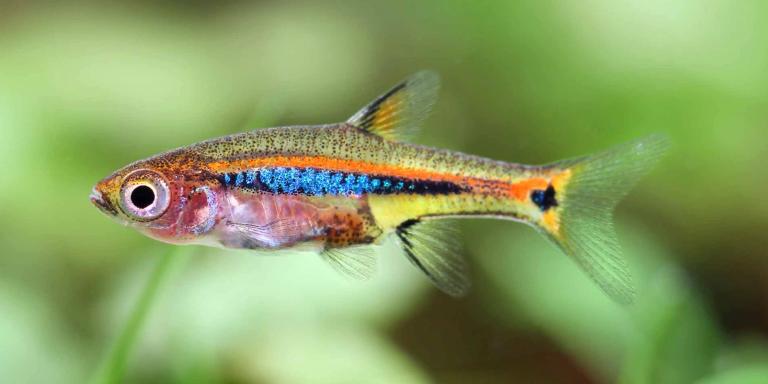
Least rasbora (Boraras urophthalmoides): Least Rasboras are peaceful nano schooling fish that should be kept in groups of 10+ in a planted, low-flow aquarium. They prefer warm, stable water and do best in a mature, cycled tank. Feed tiny foods once or twice daily. Avoid large, aggressive, or very fast tankmates.
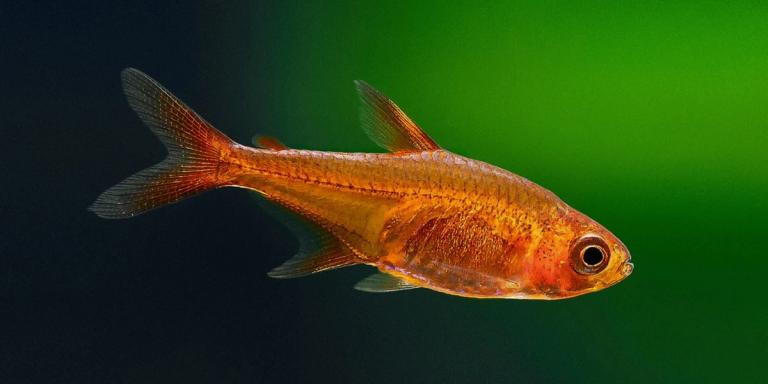
Ember Tetra (Hyphessobrycon amandae): Ember Tetras are peaceful schooling nano fish that do best in groups of 8–12+ in planted, low-flow aquariums. They prefer warm, stable water and a mature tank. Feed small foods once or twice daily. Avoid aggressive or fast tankmates that may outcompete them.
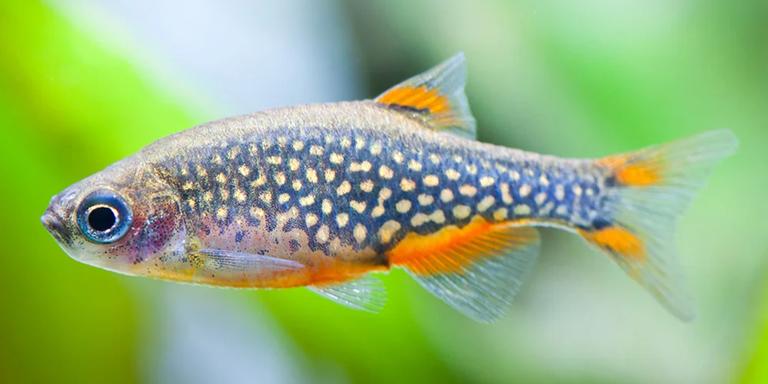
Celestial Pearl Danio (Galaxy Rasbora) (Danio margaritatus): CPDs are small, colorful fish that do best in a planted, mature aquarium with gentle flow. Keep them in groups (8–12+) to reduce shyness and spread out male sparring. Feed small foods once or twice daily. Avoid aggressive or very fast tankmates.
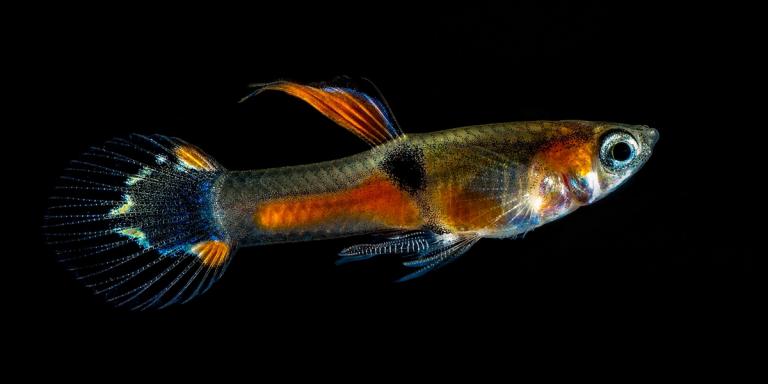
Endler's Livebearer (Poecilia wingei): Similar in appearance to guppies, Endler's livebearers are small, peaceful, and easy to care for. They are excellent choices for nano or small aquariums due to their size and adaptability.
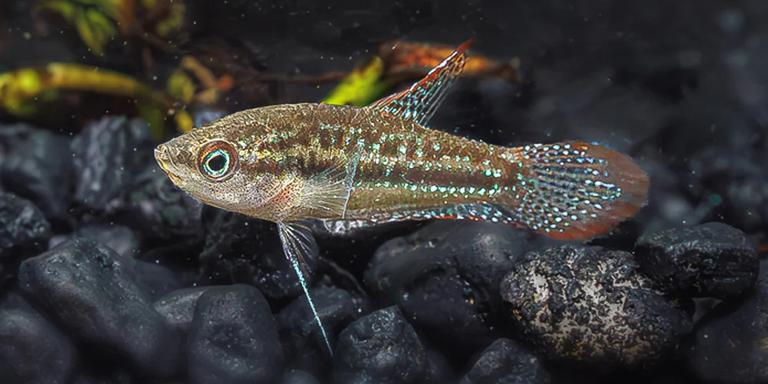
Sparkling Gourami (Trichopsis pumila): Sparkling Gouramis are peaceful nano labyrinth fish that prefer calm, heavily planted tanks with floating plants and gentle filtration. They are not schooling fish; keep them as a pair or small group with plenty of cover. Feed small foods once or twice daily. Avoid aggressive or very fast tankmates.
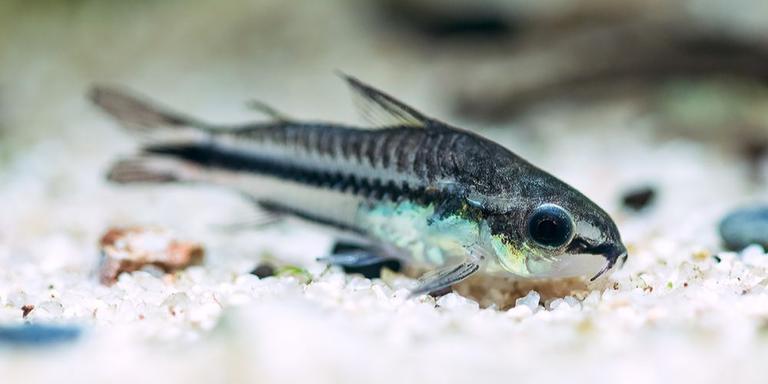
Pygmy Corydoras (Corydoras pygmaeus): Pygmy Corydoras are peaceful, social nano catfish that should be kept in groups of 8–12+ in a mature tank. They prefer soft sand, clean water, and gentle filtration. Feed sinking micro foods 1–2 times daily and don’t rely on leftovers. They spend time both on the bottom and in the mid-water, especially in groups.
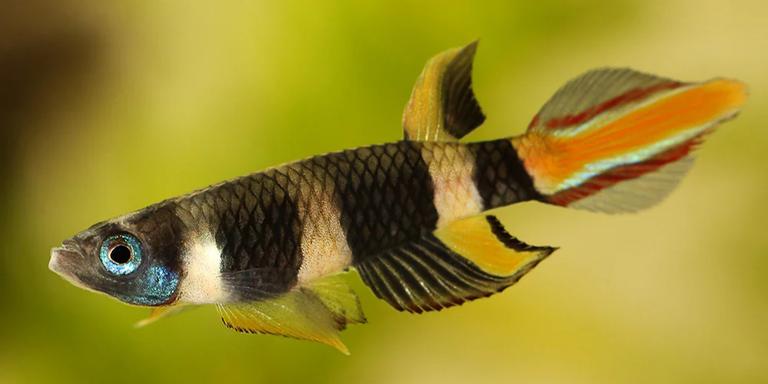
Clown Killifish (Epiplatys annulatus): Clown Killifish are peaceful, surface-dwelling nano fish that prefer calm water, floating plants, and a tightly covered tank. Keep them in groups (6–10+) for confidence. Feed tiny surface foods once or twice daily. Avoid aggressive or fast feeders that will outcompete them.
Stocking examples that actually work in a 20L tank
The examples are good for beginners since they do not overstock or violate any rules of grouping.
Example A: Ultra-peaceful micro-school
- Chili rasboras (10) (10 × 2L = 20L)
Best for: planted tanks with gentle filtration.
Minimum group size is 8
Open this setup in Virtual Aquarium
Example B: Alternative micro-school options
- Ember tetras (10) (10 × 2L = 20L)
Best for: sand bottom + dense plants.
Minimum group size is 8
Open this setup in Virtual Aquarium - Phoenix rasboras (10) (10 × 2L = 20L)
Minimum group size is 8
Open this setup in Virtual Aquarium - Least rasboras (10) (10 × 2L = 20L)
Minimum group size is 10
Open this setup in Virtual Aquarium
Example C: Small danio group
- Celestial pearl danios: (6) (6 × 3L = 18L)
Minimum group size is 6
Open this setup in Virtual Aquarium - Endler’s livebearers: (6) (6 × 3L = 18L)
Minimum group size is 6; males-only is usually the simplest option
Open this setup in Virtual Aquarium
Example E: Single centerpiece fish (solo setup)
- 1 Betta (1 × 19L = 19L)
Open this setup in Virtual Aquarium - 1 Sparkling gourami (1 × 19L = 19L)
Open this setup in Virtual Aquarium
Tip: In a 20L, it’s usually better to do one great school than mixing too many species at low counts.
Beginner success checklist (20L):
- Cycle first: Add fish ONLY after cycling a tank (ammonia/nitrite at 0).
- Choose one “main group”: schooling fish look and behave best when kept in proper numbers.
- Keep temperature stable: sudden changes stress nano fish quickly.
- Use gentle filtration: avoid blasting tiny fish with strong current; sponge or low-flow filters work great.
- Feed tiny amounts: 1–2 minutes max, once or twice daily.
- Weekly maintenance: change ~25–35% water and lightly rinse filter media in old tank water.
- Stock lightly: In a 20L tank, less fish = healthier fish and less trouble.
- Stable water wins: Maintain a constant water temperature and resist over-feeding.
- Correspond fish with behaviors: Schooling fish must be kept in groups; territorial fish should be kept individually.
- Utilize our Interactive Aquarium Feature: Design your own 20-liter aquarium and receive suggestions about temperature, tank size, and fish compatibility before you purchase!
The quickest way to check your exact stocking
Use our Virtual Aquarium tool: set your tank size, add fish species + quantities, and instantly see:
- Total water required for your stocking plan
- Minimum recommended group size for schooling fish
- A combined suitable temperature range across your selected fish
This makes it easy to test combinations (tetras + corys, rasboras-only, betta setups) before you buy anything.